
The Regulated Home (13-18)
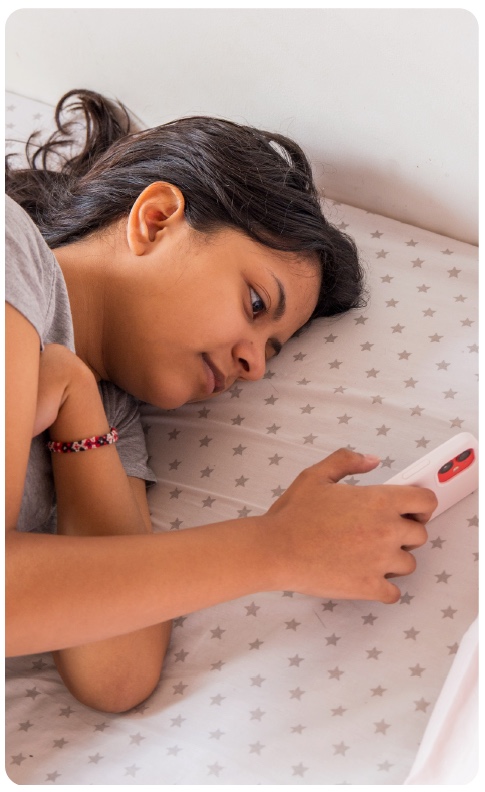
By taking this course, educators will gain a deeper understanding of why students in middle and high school behave the way they do — outbursts, difficulty focusing. More importantly, they’ll gain practical habits and tools they can actually use in the middle of a chaotic school day, so they can teach what they need to teach and students can learn and perform at their best
The Regulated Home (5-12)

By taking this course, educators will gain a deeper understanding of why students in middle and high school behave the way they do — outbursts, difficulty focusing. More importantly, they’ll gain practical habits and tools they can actually use in the middle of a chaotic school day, so they can teach what they need to teach and students can learn and perform at their best
The Regulated Parent

By taking this course, educators will gain a deeper understanding of why students in middle and high school behave the way they do — outbursts, difficulty focusing. More importantly, they’ll gain practical habits and tools they can actually use in the middle of a chaotic school day, so they can teach what they need to teach and students can learn and perform at their best
Caring for the Caretaker

By taking this course, educators will gain a deeper understanding of why students in middle and high school behave the way they do — outbursts, difficulty focusing. More importantly, they’ll gain practical habits and tools they can actually use in the middle of a chaotic school day, so they can teach what they need to teach and students can learn and perform at their best
What Your Doctor Didn’t Tell You

By taking this course, educators will gain a deeper understanding of why students in middle and high school behave the way they do — outbursts, difficulty focusing. More importantly, they’ll gain practical habits and tools they can actually use in the middle of a chaotic school day, so they can teach what they need to teach and students can learn and perform at their best
Starting Treatment: The Ins + Outs of Early Cancer Interventions

By taking this course, educators will gain a deeper understanding of why students in middle and high school behave the way they do — outbursts, difficulty focusing. More importantly, they’ll gain practical habits and tools they can actually use in the middle of a chaotic school day, so they can teach what they need to teach and students can learn and perform at their best
Recently Diagnosed – Now What
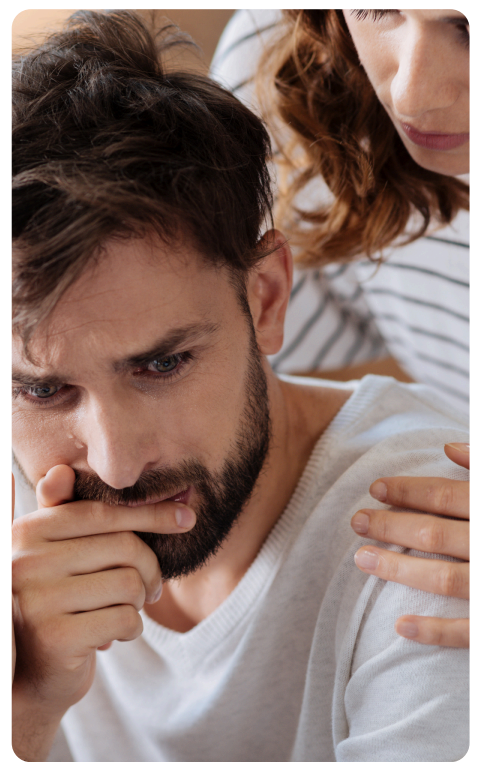
By taking this course, educators will gain a deeper understanding of why students in middle and high school behave the way they do — outbursts, difficulty focusing. More importantly, they’ll gain practical habits and tools they can actually use in the middle of a chaotic school day, so they can teach what they need to teach and students can learn and perform at their best
The Regulated Classroom (7-12)

By taking this course, educators will gain a deeper understanding of why students in middle and high school behave the way they do — outbursts, difficulty focusing. More importantly, they’ll gain practical habits and tools they can actually use in the middle of a chaotic school day, so they can teach what they need to teach and students can learn and perform at their best
Regulated Classroom K-6 Asynchronous
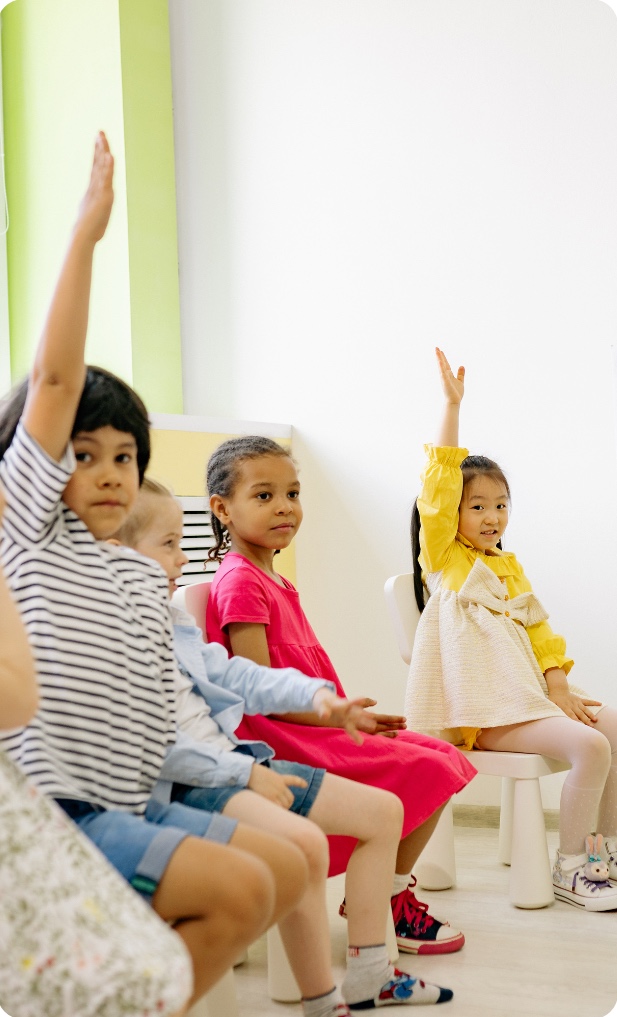
By taking this course, you’ll give students a working understanding of their own nervous systems in language they can actually hold onto — picture language for K-2, science language for 3-6. Introduce regulation practices the whole class can do together at the moments they need them most: the start of the day, the return from lunch, before a test, after a hard recess, before dismissal. Build shared classroom vocabulary. Reduce the frequency and intensity of the dysregulated moments that eat your instructional time. Give students tools they will carry past your classroom
The Regulated Teacher

By taking this course, educators will gain a deeper understanding of why they feel the way they do — why
survival mode never fully switches off, why the small things hit so hard, and how dysregulation quietly seeps into
the classroom, relationships, and time at home. More importantly, they’ll gain practical habits and tools they can
actually use to care for themselves both in and outside of a chaotic school day, so they can show up present,
grounded, and genuinely there for their students, their families, and themselves.